Homogeneous rooms make predictable art. The galleries, festivals and publishers widening their doors are not performing virtue — they are mining richer seams of surprise.
The evidence is now routine: mixed teams spot more, juries with range choose better, and audiences follow work that finally resembles the street outside.
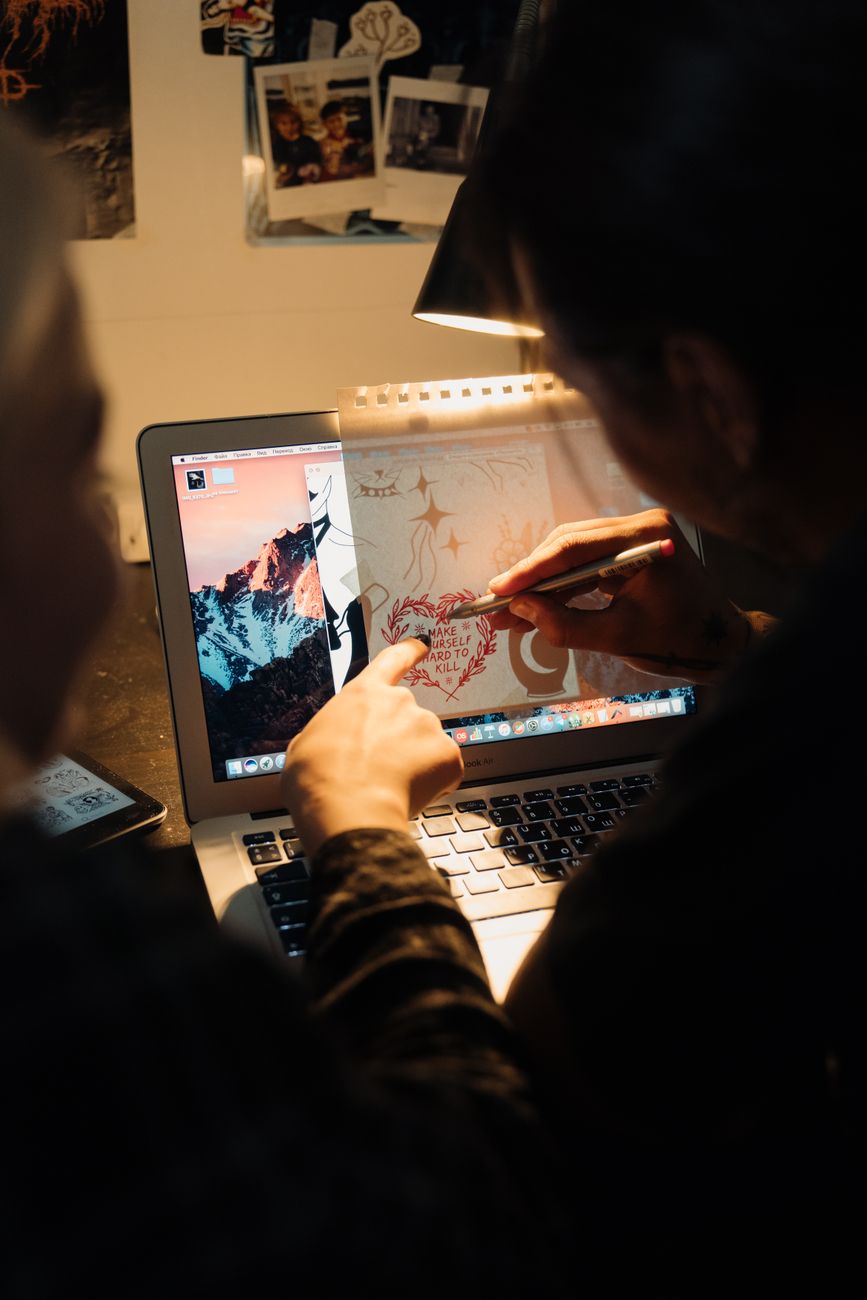
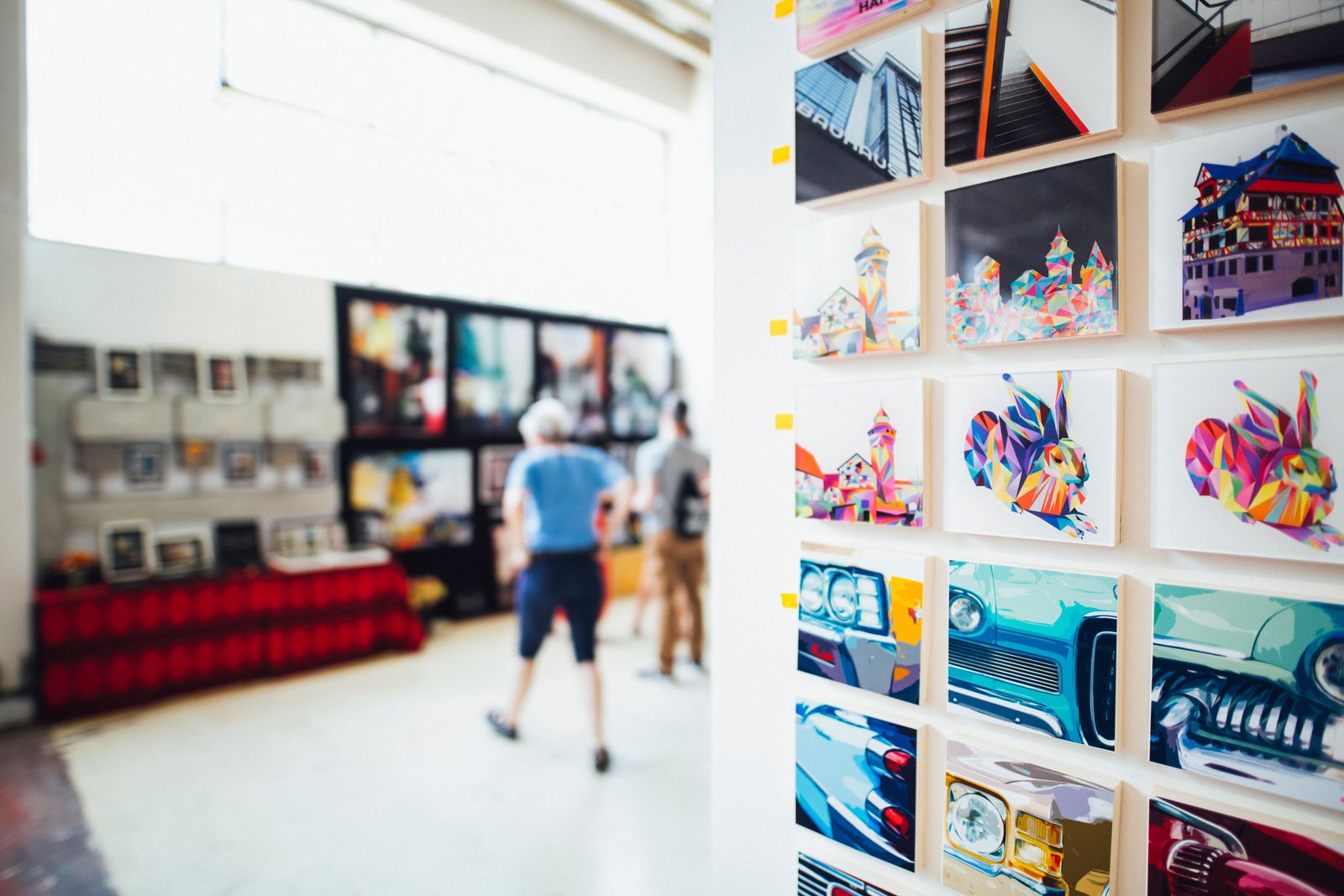
Individuality benefits as much as identity. When the default loosens, the oddballs — the miniaturists, the embroiderers of circuit boards, the painters of motorway light — get wall space at last.
Innovation is the dividend. New materials arrive with new makers: indigo pits, carnival wire, family photographic archives repurposed as monuments.
“The most exciting rooms are the ones with the widest doors.”
What good inclusion looks like
It looks like money with patience: commissions paid fairly, several years long, judged on the work rather than the network. Plus childcare at the residency and step-free everything.
It looks, finally, like joy — openings where nobody needs a translator for the room, because the room learned more than one language.