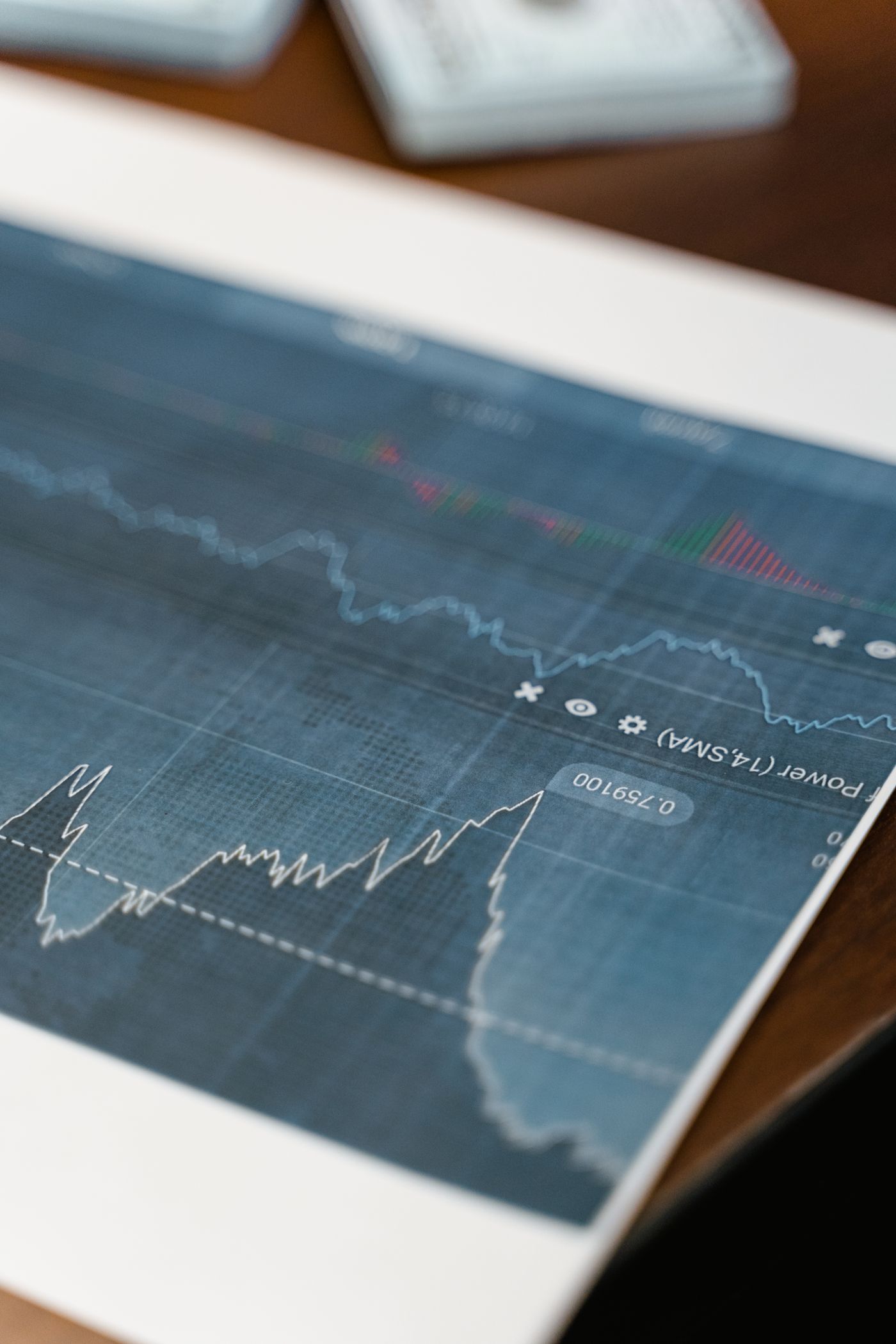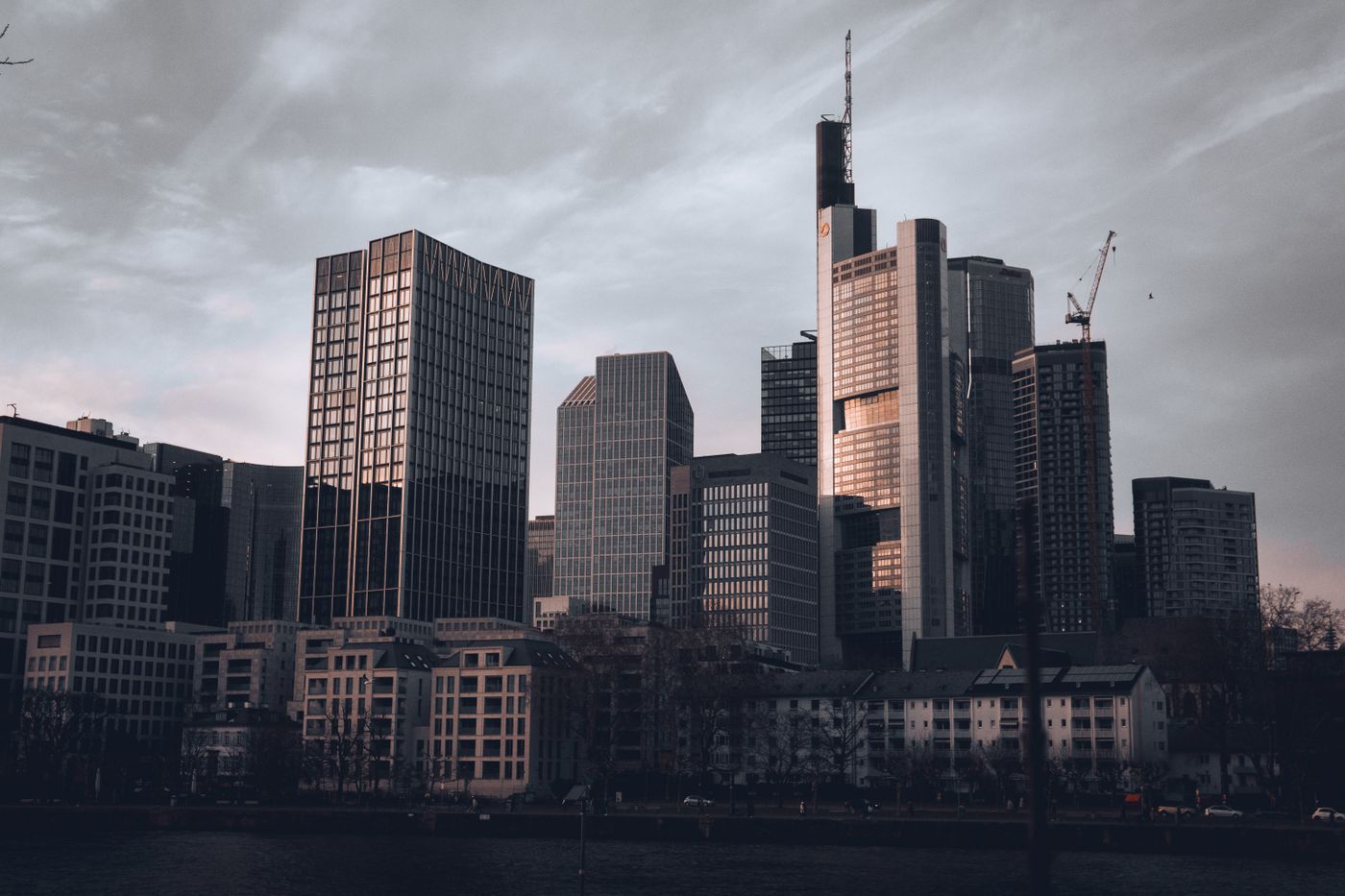
Money never sleeps, but it does leave footprints. Follow them from the opening bell to the night markets and a pattern emerges: the global economy is less a machine than a conversation.
On any given morning, a rate decision in one capital ripples through bond desks, shipping manifests and grocery receipts on the other side of the planet. The connections are invisible until they are not — a delayed container ship becomes a missing part, which becomes a higher price, which becomes a changed habit.
Economists we spoke to describe this as the age of entangled ledgers. Supply chains, once drawn as straight lines, now look like weather systems: turbulent, adaptive and strangely beautiful when mapped at scale.
What does that mean for readers? First, that volatility is not an exception to be waited out but a condition to be navigated. Second, that the most resilient households and businesses share one trait — they keep options open and fixed costs low.
“The global economy is less a machine than a conversation — and right now, everyone is talking at once.”
Where the money actually goes
Strip away the jargon and capital flows toward three things: shelter from risk, a credible story of growth, and the infrastructure of daily life. Housing, energy, logistics and connectivity absorb the largest share of investment in almost every region we surveyed.
The takeaway for the months ahead is practical rather than prophetic. Diversify income where you can, price in uncertainty, and pay attention to the unglamorous sectors — ports, warehouses, grids — because that is where the next decade is quietly being built.