Reproduction made images infinite and encounters rare. The artists leaning into singularity — ice sculptures, one-night performances, works that decay on schedule — sell what cannot be screenshotted: presence.
Ephemerality is the point. A mural painted to be whitewashed, a performance staged once for forty people, a sound walk that only works on one street in rain — scarcity restores attention.
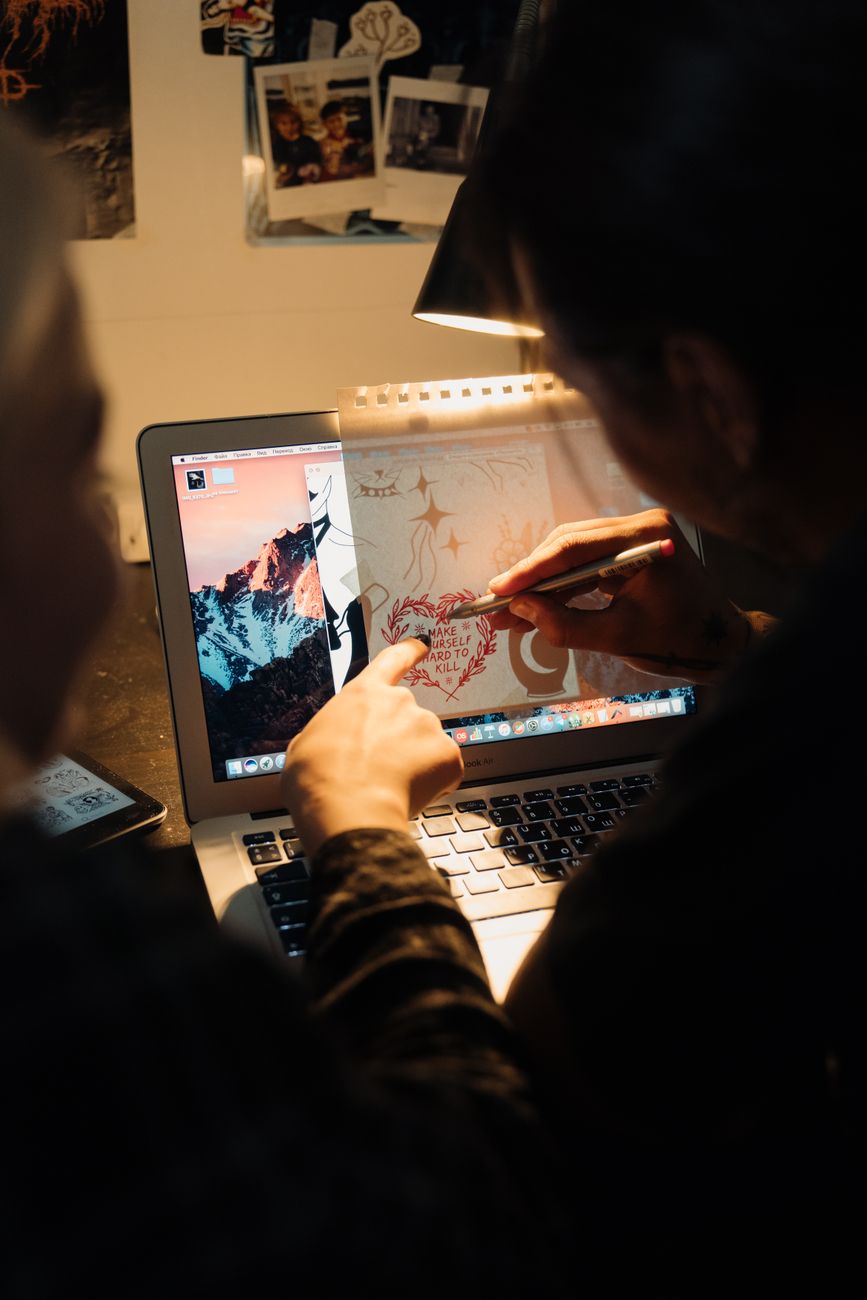
Craft underwrites the risk. The unrepeatable still demands rehearsal: the ice carver's winters of practice, the dancer's thousand identical mornings before the single different night.
Audiences repay the wager with the one currency that matters — being fully there. Phones stay pocketed when everyone understands this will not happen again.
“Scarcity restores attention.”
Collecting the uncollectible
You cannot own the night, but you can own its traces: scores, relics, editions that fund the next singularity. Smart collectors buy proximity — studio visits, rehearsals, the story told firsthand.
Or simply attend. Memory, it turns out, is the oldest collection format, and admittance is usually cheaper than the catalogue.